



Argo Graphene Solutions is expanding its materials testing beyond concrete. At its research and development facility in Regina, Saskatchewan, the company has begun testing a graphene-infused asphalt mix designed for cold-climate roads. The program focuses on three key challenges: low-temperature durability, freeze-thaw resistance, and thermal conductivity for potential de-icing applications.
Key Findings
Regina
Testing Facility
Graphene asphalt testing is underway at Argo’s research and development facility in Saskatchewan.
Three
Testing Objectives
The program examines cold-weather durability, freeze-thaw resistance, and thermal conductivity.
January
2026 Launch
The structured testing phase began in January 2026, using traditional bitumen-based asphalt as a comparison.
Results
Not Yet Published
Performance data has not been released. The trials are intended to help finalize a mix design for future pilot projects.
The Short Version
Argo Graphene Solutions began testing a graphene-infused asphalt mix at its research and development facility in Regina, Saskatchewan, in January 2026.
The program focuses on three properties that matter for roads exposed to severe winter conditions: structural durability in cold temperatures, resistance to repeated freeze-thaw cycles, and thermal conductivity that could potentially support de-icing.
Saskatchewan provides a demanding environment for this work because of its harsh winters, repeated freezing and thawing, and use of de-icing salt. Argo is comparing its graphene-infused asphalt mix with traditional bitumen-based asphalt to evaluate how the material behaves under these conditions.
- Testing began in January 2026 at Argo’s Regina, Saskatchewan facility.
- The graphene-infused mix is being compared with traditional bitumen-based asphalt.
- Three objectives are being evaluated: cold-weather durability, freeze-thaw resistance, and thermal conductivity.
- No performance results have been published for this testing program yet.
- Data from the trials will be used to finalize a mix design for future pilot projects and municipal partnerships.
Why Saskatchewan Is the Right Place to Test Cold-Climate Asphalt

Testing a cold-climate road material in a region with mild winters would provide limited insight into how it performs under severe winter conditions.
Argo already had a facility in Regina, Saskatchewan, which it leased in late 2025. The 2,000-square-foot warehouse and mixing site was established to support the company’s graphene-based concrete and cement additive products. It is now also being used for graphene asphalt testing.
Saskatchewan’s winter conditions provide a demanding environment for evaluating road materials. Extreme cold, repeated freezing and thawing, and heavy use of de-icing salt are among the conditions that can contribute to the deterioration of conventional bitumen-based asphalt.
Rather than relying only on a controlled laboratory environment, Argo is using a location where these winter conditions are part of the real-world operating environment.
What Argo Is Actually Testing
Argo began its asphalt testing phase in January 2026, comparing a graphene-infused asphalt mix with traditional bitumen-based asphalt.
Bitumen is the petroleum-based binder that holds conventional asphalt together. In extreme cold, it can become brittle and more prone to cracking. Argo’s testing is designed to examine whether adding graphene changes how the asphalt mix behaves under these conditions.
The company has identified three specific objectives for this phase of testing.
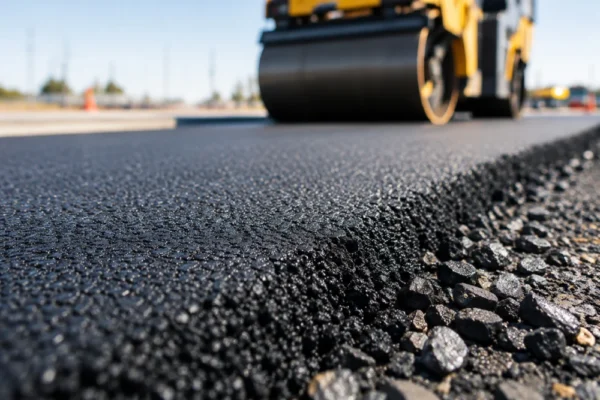
01. Structural Cold-Weather Durability
This objective measures tensile strength and resistance to cracking at low temperatures, compared with a traditional bitumen-based asphalt mix.
Cold weather is when asphalt is more likely to crack under stress. The testing is intended to determine whether graphene changes this behaviour.
02. Freeze-Thaw Resistance
This objective examines how well the asphalt mix resists damage caused by water entering the pavement, freezing, and expanding.
As water freezes, it expands inside small cracks. Repeated freeze-thaw cycles can gradually widen those cracks and contribute to road deterioration.
03. Thermal Conductivity and De-Icing
This objective evaluates whether the graphene-infused mix can help maintain surface temperatures that inhibit ice formation and whether it can support faster de-icing.
Because graphene is known for its conductivity, Argo is investigating whether this property could translate into a practical benefit for winter road safety.
Why These Three Properties Matter for Cold-Climate Roads
Cold-climate road damage rarely comes from a single cause. Several conditions can work together to weaken asphalt over time.
First, bitumen can become brittle in low temperatures, making the pavement more vulnerable to cracking under stress. Once cracks develop, water can enter the pavement. When temperatures drop, that water freezes and expands, gradually widening existing cracks.
At the same time, ice forming on the road surface creates a safety hazard until it is cleared or melts.
Argo’s three testing objectives correspond to these challenges:
- Cold-weather durability: Evaluating resistance to brittleness and cracking.
- Freeze-thaw resistance: Examining damage caused by water and repeated freezing and thawing.
- Thermal conductivity: Investigating the potential to inhibit ice formation and support de-icing.
Whether graphene can meaningfully address more than one of these problems within the same asphalt mix is what this testing phase is intended to determine.
What Comes Next
The current testing phase is intended to generate the data needed to finalize an asphalt mix design before moving toward future pilot projects and municipal partnerships.
As of this writing, Argo has not published specific performance data from the asphalt program, including:
- Compressive or tensile strength figures.
- Freeze-thaw cycle counts.
- Thermal performance measurements.
This means the program should be understood as an active testing phase, not a completed product or a proven road application.
The next important step will be the release of testing data that can help establish the final mix design and inform future pilot projects.
How Graphene Asphalt Compares to Argo’s Concrete Work
Argo’s graphene concrete program is further along than its asphalt testing. The two programs are at different stages, with different testing objectives and publicly available results.
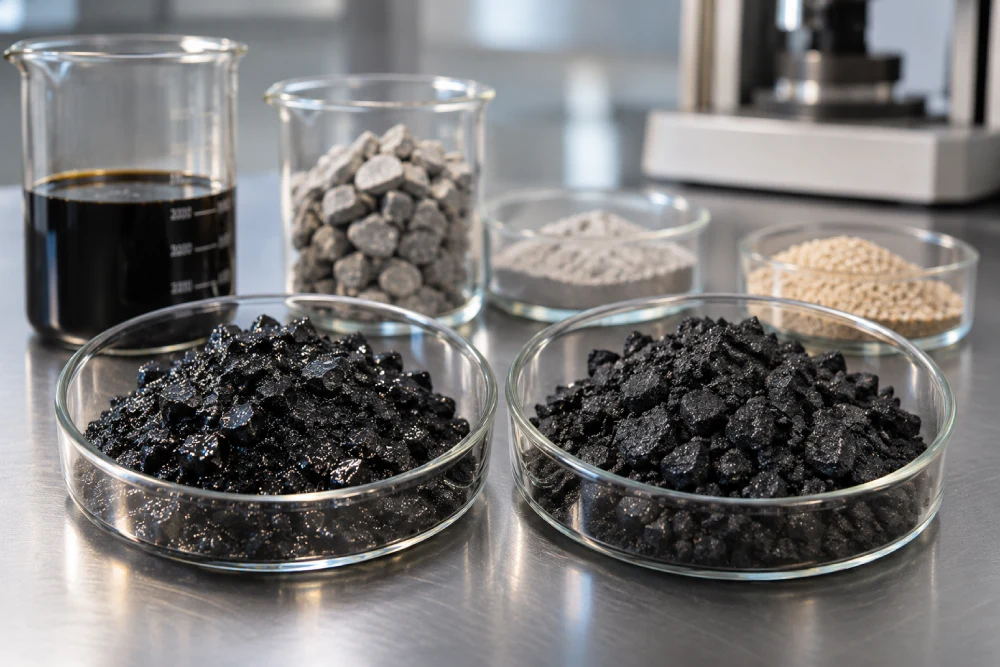
Graphene-Enhanced Concrete
Argo has reported results from its concrete testing program, including a test pour in Bristol, Tennessee, with a published 56-day compressive strength result. A separate cement additive test also reported a specific strength increase at a stated graphene oxide dosage.
This program has progressed to the point where specific test results have been made public.
Graphene-Infused Asphalt
The asphalt program is at an earlier stage. Argo has defined its testing objectives and begun evaluating the graphene-infused mix against traditional bitumen-based asphalt.
However, performance results from the asphalt testing have not yet been published.
The distinction matters when comparing Argo’s work across different construction materials. Results from concrete testing should not be treated as proof of how graphene will perform in asphalt. Each material has different properties and faces different performance demands.
Questions About Argo’s Graphene Asphalt Testing
Not yet. As of this writing, Argo has stated its testing objectives and the general reasoning behind them, but it has not published specific performance figures for the asphalt program.
At Argo’s research and development facility in Regina, Saskatchewan, the same site the company uses for its graphene concrete and cement additive work.
No. This is a testing phase intended to finalize a mix design. Argo has said the data will support future pilot projects and municipal partnerships, not an immediate commercial product.
Graphene is known for conducting heat and electricity well. Argo is testing whether that property can help a road surface resist ice formation or de-ice faster, which would be a practical safety benefit in cold climates.
The Bottom Line
Argo picked one of the toughest winter environments in North America to test a graphene-infused asphalt mix, and it’s testing for the three problems that actually break down cold-climate roads: brittleness, freeze-thaw cracking, and ice. None of that has produced published performance numbers yet. What exists right now is a clearly defined testing phase at a real facility, aimed at data that will shape a future mix design, and emphatically worth watching.
Conclusion
Testing graphene in asphalt presents a different challenge from testing it in concrete. The question is no longer just how the material performs under compressive loads, but whether it can help address the combination of cold-weather cracking, freeze-thaw deterioration, and ice formation that affects roads in northern climates.
Argo’s Saskatchewan trials are still underway, and the results will be important in determining whether graphene’s properties can translate into practical benefits for cold-climate road infrastructure.
For more background on the science behind winter road deterioration, read our article on Why Cold-Weather Roads Fail.

Building Stronger.
Smarter Infrastructure with Graphene