




STREAM-G™ | Graphene
Engineered for Performance. Designed for Commercialization.
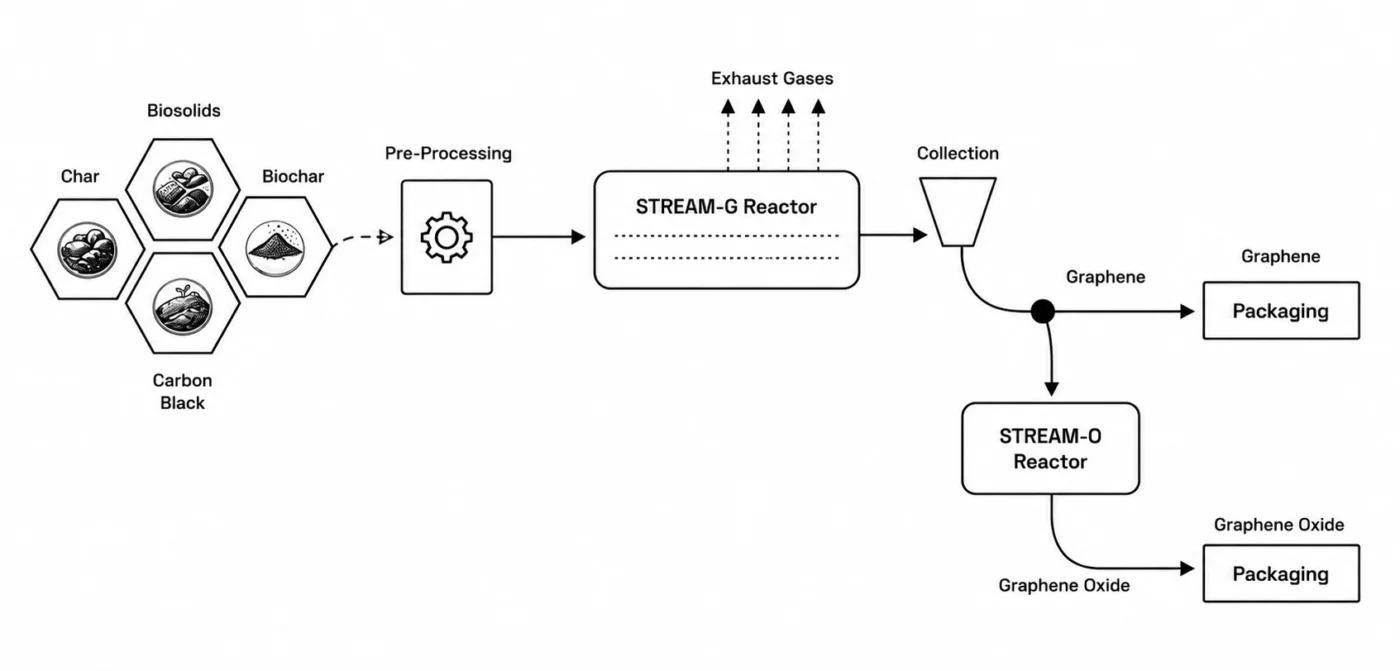
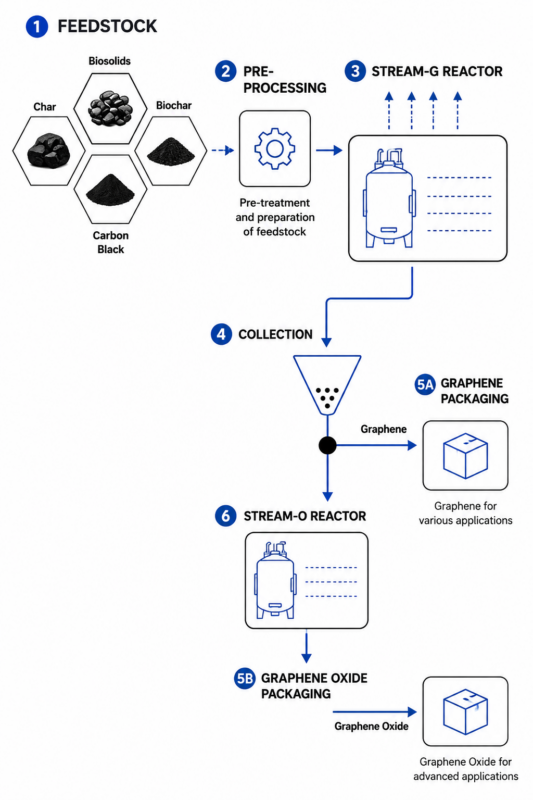
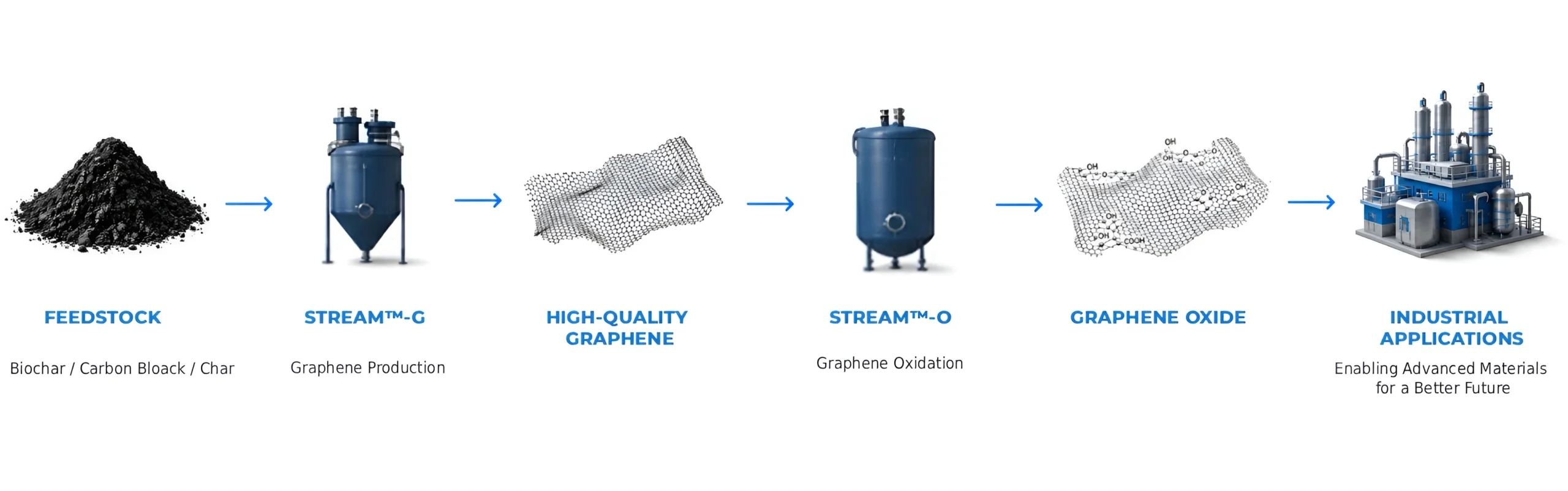
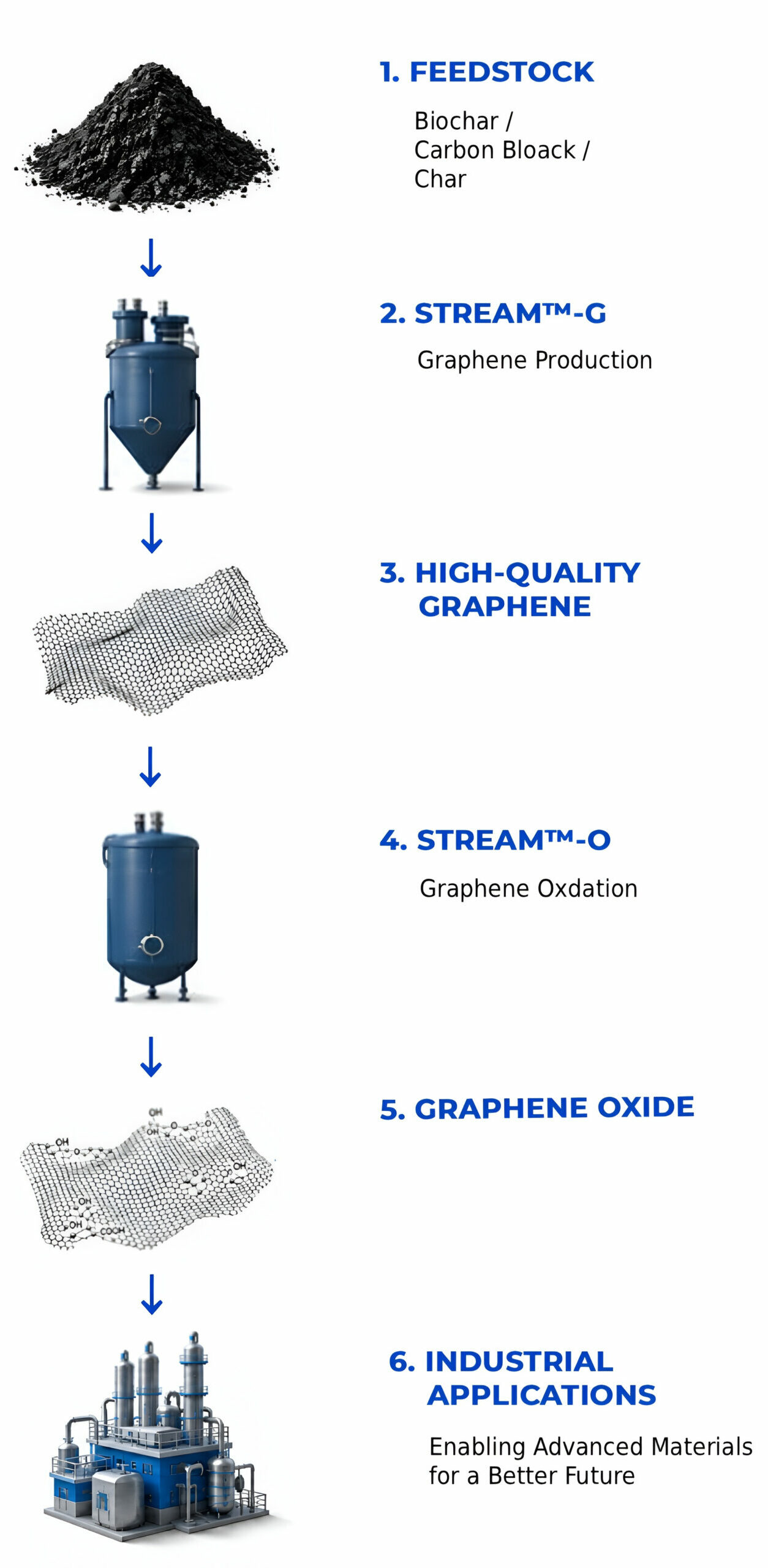
STREAM-G™ is Argo’s proprietary production pathway for producing micron-scale, few-layer, low-defect graphene from carbon-rich feedstocks.
The technology is designed to preserve the characteristics that make graphene valuable, including high electrical and thermal conductivity, mechanical strength and large continuous sheet architecture, while supporting consistent and scalable production for industrial applications.
STREAM-G™ is being developed as an advanced performance material, with potential applications spanning:
- Energy Storage
- AI Infrastructure
- Electronics
- Composites
- Coatings and other industrial markets.
Argo’s objective is to deliver measurable performance improvements with STREAM-G™, qualify the material for targeted applications and advance successful formulations toward commercial adoption.
Not all graphene materials are the same.
Sheet size, layer count, defects, morphology and conductivity can significantly influence how graphene performs within a finished product.
STREAM-G™ is designed to produce large-area graphene structures that support continuous electrical and thermal transport and enhance mechanical strength, even at relatively low loadings.
- Micron-Scale Sheets
Larger continuous graphene sheets can support efficient conductive and reinforcing pathways. - Few-Layer Structure
Designed to retain graphene’s desirable material properties while supporting practical industrial use. - Low-Defect Material
Fewer structural defects can help preserve electrical, thermal, and mechanical performance. - High Conductivity
Designed for applications where efficient electrical and thermal transport are important. - Carbon-Rich Feedstocks
Produced without relying exclusively on mined natural graphite, creating potential advantages in feedstock availability and supply-chain flexibility. - Strength
Large-area graphene sheets can provide effective mechanical reinforcement, helping improve strength and durability at relatively low material loadings.